

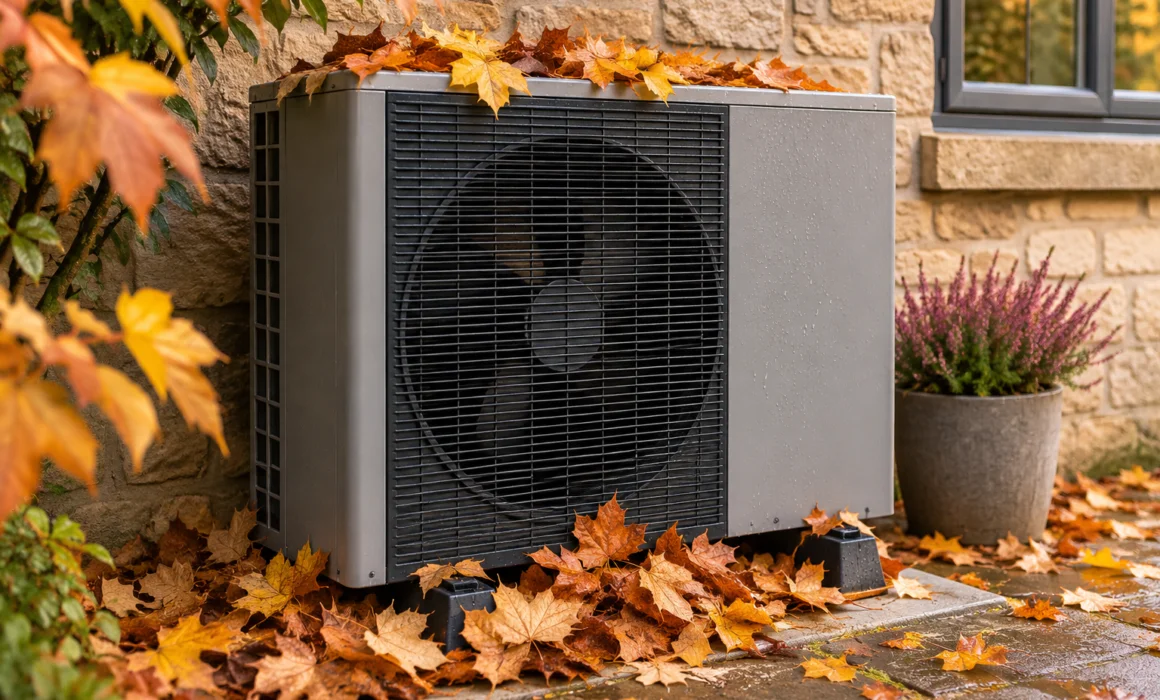
Can Fallen Leaves Damage Your Air Source Heat Pump?
Autumn brings cooler temperatures, shorter days and plenty of falling leaves. While most homeowners are busy clearing their gardens, driveways and gutters, there’s one important piece of equipment that shouldn’t be overlooked: your air source heat pump.
As leaves begin to accumulate around outdoor heating units, they can potentially restrict airflow, reduce efficiency and, in more severe cases, contribute to operational problems.
At Clear Skies Energy, we help homeowners across Yorkshire keep their heating systems operating efficiently throughout the year. Here’s everything you need to know about protecting your air source heat pump from fallen leaves this autumn.
Why Are Fallen Leaves a Problem for Air Source Heat Pumps?
Air source heat pumps work by extracting heat energy from the outside air and transferring it into your home’s heating system.
Even when outdoor temperatures fall below freezing, heat pumps can continue extracting useful energy from the air.
However, to operate efficiently, the outdoor unit requires a consistent and unrestricted flow of air.
During autumn, fallen leaves can collect around the base of the unit, become trapped against protective grilles or accumulate in the surrounding area.
If enough debris builds up, it can interfere with airflow and potentially affect the heat pump’s performance.
5 Ways Fallen Leaves Can Affect Your Heat Pump
1. Restricted Airflow
Air source heat pumps rely on a steady supply of outdoor air to extract heat efficiently.
When leaves accumulate around the air intake or outlet, they can restrict airflow through the unit.
This can reduce the system’s ability to transfer heat effectively, potentially affecting heating performance.
2. Increased Electricity Consumption
One of the main benefits of an air source heat pump is its energy efficiency.
However, restricted airflow can make it more difficult for the system to extract the heat required to warm your home.
Depending on the severity of the blockage and the system’s operating conditions, this may increase electricity consumption.
Keeping the outdoor unit clear is a simple way to help maintain efficient operation.
3. Moisture and Debris Build-Up
Autumn leaves often become wet and compacted, particularly during periods of heavy rainfall.
When wet leaves collect around the bottom of a heat pump, they can obstruct drainage areas and encourage moisture and debris to accumulate.
During colder weather, poor drainage may also contribute to ice forming around the unit.
Ensuring that the surrounding area remains clear can help prevent these issues.
4. Problems During Winter Defrost Cycles
During winter, air source heat pumps naturally experience frost forming on their outdoor heat exchangers.
Modern systems are designed to manage this through automatic defrost cycles.
However, accumulated leaves and debris can interfere with drainage or airflow, potentially making it more difficult for the system to operate as intended.
Keeping the unit clear before winter arrives can help minimise avoidable problems.
5. Potential System Faults
In more severe cases, substantial airflow restrictions may contribute to operating faults or cause a heat pump to shut down temporarily to protect itself.
Although modern heat pumps include safety systems designed to prevent damage, persistent blockages should never be ignored.
Regular visual checks can help identify potential problems before they become more serious.
How to Protect Your Air Source Heat Pump From Fallen Leaves
The good news is that protecting your heat pump from autumn leaves is usually straightforward.
Here are some simple maintenance tips to help keep your system running efficiently.
Regularly Check Around Your Outdoor Unit
During autumn, take a few moments each week to inspect the area surrounding your heat pump.
Look for accumulated leaves, twigs and other garden debris, particularly around the air intake, outlet and base of the unit.
If leaves have gathered nearby, carefully remove them without disturbing the equipment.
Keep the Surrounding Area Clear
Make sure nearby plants, shrubs and garden furniture aren’t obstructing airflow.
Different heat pump models have different clearance requirements, so always follow the manufacturer’s installation and maintenance guidance.
Maintaining adequate space around the unit helps ensure that air can circulate freely.
Avoid Covering Your Heat Pump
Some homeowners consider placing a cover over their outdoor heat pump to protect it from falling leaves.
However, covering a heat pump while it’s operating can restrict airflow and potentially cause serious performance problems.
Never place a tarpaulin, plastic sheet or other restrictive covering over an operating heat pump.
If you’re considering a protective enclosure or canopy, seek professional advice and ensure that any installation complies with the manufacturer’s requirements.
Check That Drainage Areas Are Clear
Air source heat pumps produce condensation during operation, particularly when running defrost cycles in colder weather.
This water needs somewhere to drain safely.
Leaves collecting around drainage points can prevent water from escaping properly, potentially contributing to ice formation during freezing conditions.
Keep visible drainage routes clear of leaves and debris, but avoid dismantling any components yourself.
Arrange Regular Heat Pump Servicing
Although basic visual checks can be carried out by homeowners, professional servicing is an important part of maintaining an air source heat pump.
A qualified engineer can inspect the system, assess its performance and identify issues that may not be immediately obvious.
Regular servicing also provides an opportunity to check the condition of the outdoor unit and ensure that the system is ready for increased winter heating demand.
Should You Clean Leaves Out of Your Heat Pump Yourself?
Removing loose leaves from the ground surrounding your heat pump is generally a straightforward task.
However, you should never attempt to dismantle the outdoor unit, reach through protective grilles or remove debris from internal components while the equipment is operating.
Heat pumps contain electrical equipment, fans and other components that require appropriate safety precautions.
If leaves or debris have become trapped inside the unit, contact a qualified heat pump engineer for advice.
Always consult the manufacturer’s instructions before carrying out any cleaning or maintenance.
Can Air Source Heat Pumps Work Efficiently Throughout Autumn and Winter?
Absolutely. Modern air source heat pumps are designed to operate throughout the year, including during cold British winters.
Unlike traditional heating systems that generate heat through combustion, air source heat pumps transfer existing heat energy from the outdoor air into your home.
This allows them to provide efficient heating even when outside temperatures are low.
However, like any heating system, their performance depends on appropriate installation, correct operation and regular maintenance.
Keeping the outdoor unit free from leaves and other obstructions is one small but important part of ensuring reliable winter performance.
Preparing Your Heat Pump for Winter in Yorkshire
Across Leeds, Bradford, Harrogate, Skipton and the surrounding areas, autumn weather can bring a combination of falling leaves, heavy rain, strong winds and rapidly changing temperatures.
These conditions make it particularly important to check outdoor heating equipment before the coldest months arrive.
Taking a few minutes to inspect your air source heat pump and remove nearby debris can help reduce the risk of avoidable performance issues.
If you notice unusual noises, reduced heating performance, persistent ice build-up or warning messages, it’s worth arranging a professional inspection rather than waiting for the problem to develop.
Keep Your Heat Pump Running Efficiently With Clear Skies Energy
At Clear Skies Energy, we understand how important reliable, efficient heating is for homeowners throughout Yorkshire.
Whether you’re considering installing an air source heat pump, looking for advice about your existing system or preparing your home for winter, our experienced team is here to help.
Don’t let something as simple as fallen leaves interfere with your home’s heating performance.
Contact Clear Skies Energy today to discuss your air source heat pump requirements and discover how we can help you enjoy efficient, reliable heating throughout the colder months.